Depression can impact your ability to function, including eating and sleeping, completing school or work tasks, and maintaining relationships with loved ones, something more serious might be happening. If you suspect that you or a loved one might have depression, you’re not alone. Getting professional help can offer new hope and relieve your symptoms.
Columbia Mental Health offers comprehensive mental health treatments to help you get back to thriving. Our depression treatment options can help clients recognize the signs of depression and work toward improving their overall mental health. Call us at 703.682.8208 today to learn more about our depression treatment options and how getting help can make a difference.
What is Depression?
Depression is a common but serious mood disorder that causes lasting low mood and loss of interest in previously enjoyed activities. It affects how you think, feel, and handle daily life. Most commonly, depression is formally diagnosed as major depressive disorder, or MDD.
What Are the Signs of Depression?
Common signs of depression include low mood most of the day for two weeks or more, losing interest in things you used to enjoy, changes in sleep or appetite, low energy, and trouble concentrating.
Potential signs of depression include:
- Low or depressed mood every day for more than two weeks
- Sleep disturbances, including sleeping much more or less than usual
- Losing interest in activities that used to be enjoyable or meaningful
- Intrusive thoughts about death or suicide
- Cognitive disturbances, including difficulty thinking, focusing, or making decisions
- Fatigue or loss of energy
- Changes in appetite, including eating much more or less than usual
- Fidgeting or moving more slowly than usual
- Feelings of guilt or worthlessness
Depression is not the only condition that can cause many of these symptoms. Medical conditions such as certain thyroid disorders and vitamin deficiencies can also involve symptoms like low mood, fatigue, and sleep disturbances. In addition to meeting with a mental health professional, making an appointment with your doctor to rule out possible underlying or contributing medical conditions can ensure your diagnosis is as accurate as possible.

What Causes Depression?
Depression usually comes from a mix of genetic, biological, environmental, and psychological factors, and it can affect anyone. Factors that can influence the development of depression include:
Genetic Causes
Like many other mental health conditions, depression can run in families. Studies have shown that the children of parents with depression are more than twice as likely to experience this mental health disorder compared to those whose parents don’t suffer from it.
Biological Causes
Several biochemicals in your body impact your mood, including neurotransmitters like serotonin and dopamine. Differences in the way someone’s body handles these chemicals can affect their risk of developing depression.
Environmental Causes
A person’s life circumstances can significantly impact their mental health. People exposed to trauma like violence, abuse, neglect, and poverty may have an increased risk for developing depression.
Psychological Causes
There is often a bi-directional relationship between depression and other psychological factors. People who are dealing with low self-esteem, a more pessimistic outlook, or who haven’t developed strong coping skills, might deal with worse depression symptoms—and depression can make these factors worse.
How Is Depression Treated?
Depression treatment starts with a thorough evaluation of your symptoms, followed by a personalized plan that may include therapy, medication, TMS, or Spravato®, depending on your symptoms and treatment history.
Treatment for depression may include any combination of:
- Therapy: Individual or group therapy can help address psychological causes of depression, learn new coping skills, and resolve trauma that may be contributing to symptoms.
- Medication: A psychiatric provider may prescribe antidepressants to help rebalance the chemicals in your brain.
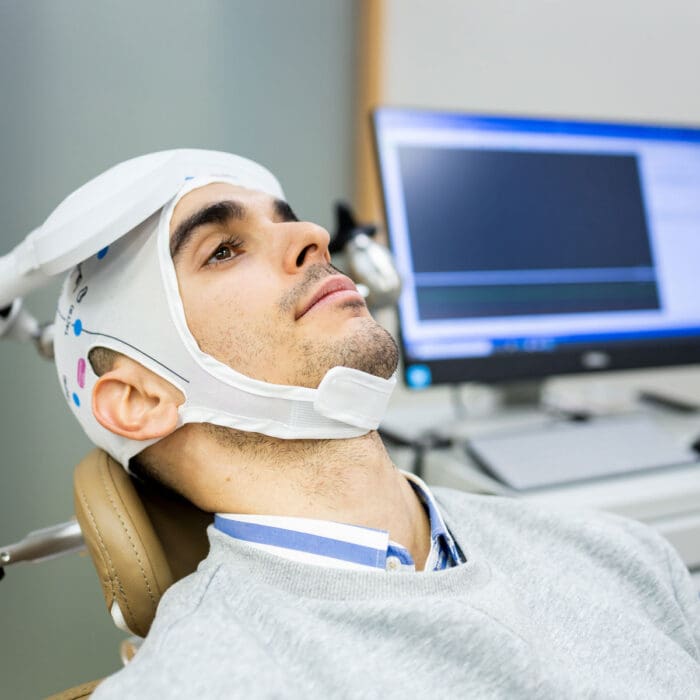
- Transcranial magnetic stimulation (TMS) therapy: TMS is an FDA-approved depression treatment that uses painless magnetic pulses to stimulate areas of the brain that are less active in people with depression. It is a non-invasive, non-drug alternative that can be effective even for people with treatment-resistant depression.
- Esketamine (Spravato®): Spravato® is FDA approved for individuals with severe or difficult-to-treat depression that hasn’t responded to other medications or therapy.
- Lifestyle changes: Improving physical health can positively impact mental health, so a provider might suggest making lifestyle changes such as increasing exercise or boosting your sleep hygiene.
How Can Depression Counseling Help?
Depression counseling helps you understand what’s driving your depression, build healthy coping skills, and regain control of your mood, relationships, and daily life.
Participating in our depression therapy can help you to:
- Better understand and work with your moods, thoughts, and emotions
- Improve your relationships with family and friends
- Enjoy activities and experiences that depression may have made difficult
- Increase self-esteem and confidence
- Learn how to manage depression triggers
- Take an active role in your depression treatment plan
- Develop healthy coping strategies for depression symptoms
We understand how depression can affect individuals and their families. Our team is committed to providing effective mental health services with compassion, understanding, and respect.
Where Can I Find a Depression Therapist Near Me?
Columbia Mental Health has depression therapists at clinics across Maryland and Virginia, with telehealth appointments available for anyone in these states. Our services aim to meet the needs of individuals, couples, families, children, teens, young adults, and everyone in between. Our depression treatment options can help give clients the tools they need to stay healthy and maintain their mental well-being.
If you believe you are experiencing depression, contact us at 703.682.8208 or fill out a brief form to learn what our compassionate care providers can do for you.
Frequently Asked Questions About Depression Treatment
How do I find a depression therapist near me?
Columbia Mental Health offers depression treatment at clinics across Maryland and Virginia, and through telehealth. Our intake team will match you with a provider and help you choose in-person care, telehealth, or a mix of both. See our locations.
Is depression counseling the same as therapy?
Mostly, yes. Both terms usually refer to talk-based care with a licensed clinician who helps you understand your symptoms, work through what’s behind them, and build coping skills. Your care team will recommend the approach that fits you, and we’ll understand what you mean whether you use the term “counseling” or “therapy.”
How do I know if I need treatment for depression?
If low mood, loss of interest in life, or changes in sleep, appetite, or energy last more than two weeks and make daily life harder, it’s a good time to talk to a professional. You don’t need a diagnosis before reaching out. Even if things “aren’t that bad yet,” getting care before symptoms worsen is always a good idea.
What happens at my first appointment for depression?
Your first visit involves a thorough evaluation. A provider will ask about your symptoms, health history, and goals, and may recommend checking with your doctor to rule out medical causes such as thyroid problems. Together, you’ll build a treatment plan that fits your needs and goals.
What if antidepressants haven’t worked for me?
There’s still hope, and you have other options. For adults and adolescents 15+ with treatment-resistant depression, Columbia offers TMS therapy, a non-invasive, FDA-approved treatment. For adults, Spravato® is an FDA-approved nasal spray for difficult-to-treat depression, which often works quickly compared to other oral antidepressants.
Does insurance cover depression treatment?
Columbia accepts most major health insurance plans, including Aetna, Anthem, Cigna, Optum, and UnitedHealthcare. Medicaid and Medicare are accepted at several locations. Our intake team will verify your coverage before your first visit. View accepted insurance.
Depression Insights
Read these blogs to learn more about depression and treatment options.